Beginner vape kit: what actually matters first
Walk into any British vape shop and the wall of hardware makes the choice look harder than it is. A first beginner vape kit is decided by four things, and none of them is the colour of the shell. What follows, written for adult readers, sets out those four and explains what each one changes once the device is in your pocket rather than on a shelf.
What UK rules decide about a beginner vape kit before you do
Two pieces of regulation narrow the field before you have chosen anything. Since 1 June 2025, any vape sold legally in Great Britain must be reusable, which means it has to be both rechargeable and refillable or repodable. Single use devices are simply not on the shelves any more.
The second set of limits is older and shapes the hardware itself. Tanks and pods sold with nicotine are capped at 2 ml, nicotine containing e-liquid is capped at 20 mg/ml, and bottles of it are capped at 10 ml. Sales are restricted to adults aged 18 and over.
The practical upshot is that the entry level of the market is now built almost entirely around small refillable pod kits. That is why a beginner vape kit in Britain looks the way it does: compact, low capacity, and designed to be topped up rather than replaced.
Prefilled pods or refillable pods
This is the real fork in the road, and it decides more about daily life with the device than any other spec. A prefilled system takes sealed pods that click into place. There is nothing to fill, nothing to prime, and no coil to change, because the coil sits inside the pod and goes in the bin with it.
A refillable system uses a pod or small tank you fill yourself from a bottle. It takes thirty seconds and a little care the first time, and in exchange you choose any liquid you like rather than only what the brand makes for that device.
Neither is objectively better for a first device. Prefilled suits anyone who wants the fewest possible steps and does not mind being tied to one catalogue. Refillable suits anyone who cares about the recurring side of things, a trade covered in detail in our guide to the best value vape kit.
Draw style, the setting nobody explains at the counter
Every kit is built around one of two draws, and buying the wrong one is the most common first mistake. A mouth to lung draw is tight and slow, closer to drawing through a narrow straw. A direct lung draw is airy and open, taken straight into the lungs in one movement.
Almost every beginner vape kit sold in Britain is designed for mouth to lung, and that is deliberate. The tight draw pairs with higher nicotine strengths and low airflow, which means less liquid consumed for the same effect on the user. It is also the draw that feels familiar rather than startling.
Airflow control, where the device has it, lets you move a little either way. On a pod kit it is usually a small collar or a sliding vent near the base. Worth finding on day one rather than discovering months later.
Coil type, and what it changes on a beginner vape kit
Two coil families dominate entry level hardware. Mesh coils use a fine perforated strip, which spreads the heat over a wider surface and produces a fuller, more immediate flavour along with a slightly larger volume of vapour. Ceramic based coils spread the heat differently and tend to hold a steadier character as the pod empties.
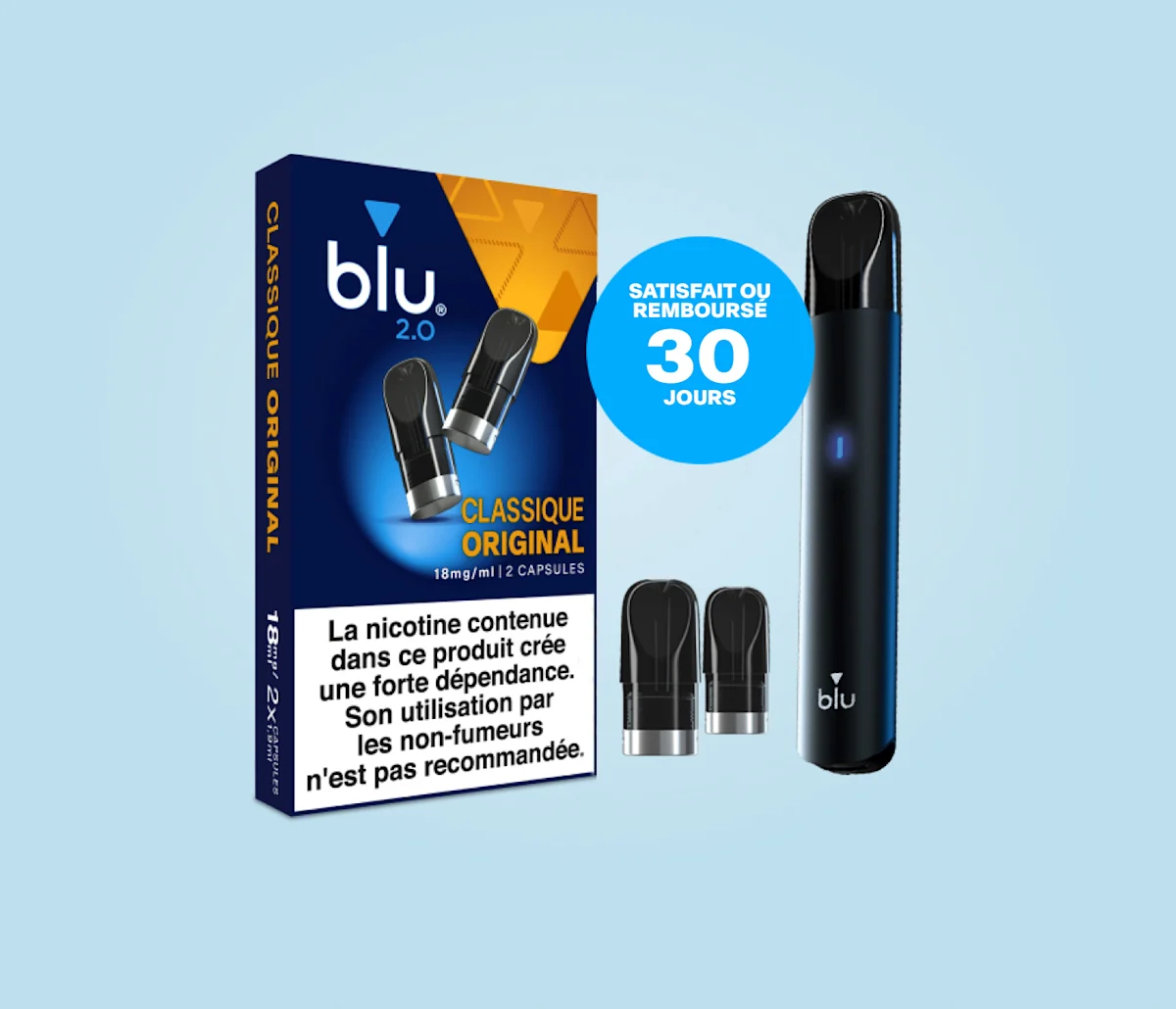
The blu 2.0, for example, is a slim draw activated device using ceramic pod technology, while the blu Bar Kit uses a mesh coil in its pods for a more generous draw. Same brand, same principle of sealed pods, two different sensations from the coil alone.
What matters for a first purchase is simply knowing that the coil, not the shell, is what you are actually buying. Two devices that look identical can behave nothing alike, which is why comparing hardware on looks tells you very little. Our piece on how to compare vape costs applies the same logic to the recurring side.
Battery, format and the things that decide whether you keep it
Capacity is measured in mAh, and on a compact pod kit it is deliberately modest. That is the trade for a device that disappears in a pocket. Charging over USB-C is now standard, and a small charge indicator, sometimes read by tapping the body, saves a lot of guesswork.
Draw activation matters more than it sounds. A device with no button fires when you inhale, which removes the last piece of technique from the process. Button fired devices give slightly more control but add a step that beginners frequently forget.
The one thing to check before buying is whether the pods are easy to get hold of locally, not simply whether they exist. A proprietary pod that is hard to find turns a good device into a paperweight, and a paperweight always ends up replaced.
The mistake that costs the most in the first month
The commonest early error is not buying the wrong device, it is buying the wrong liquid for the device. A pod built for a tight draw and a higher resistance coil wicks slowly by design, and feeding it a thin, low strength liquid means chasing satisfaction with far more puffs than the setup was drawn for.
The reverse error is just as common. An airier pod fed with a thick nicotine salt liquid struggles to keep the wick supplied, which produces a dry, harsh draw and finishes the coil early. Neither problem is a fault in the hardware, and neither shows up in any specification.
Getting the pairing right on day one is the cheapest adjustment available. Ask what liquid type the pods were designed around, match the strength to the draw within the 20 mg/ml limit, and most of the frustration people report in their first fortnight never happens at all.
Frequently asked questions
Are disposable vapes still an option in the UK?
No. Since 1 June 2025 it has been illegal to sell single use vapes in Great Britain. Anything legally on sale must be rechargeable and refillable or repodable.
Why is every pod only 2 ml?
Because UK rules cap the capacity of tanks and pods sold containing nicotine at 2 ml. It applies across all brands, so no device gets round it.
Should I start with mouth to lung or direct lung?
Mouth to lung, in almost every case. It is what entry level hardware is built for, it uses less liquid, and the tight draw is far less of a shock on a first attempt.
Can I use any e-liquid in a refillable pod?
Any liquid within UK limits, yes, but match the type to the coil. Higher resistance mouth to lung coils suit nicotine salts and thicker liquids poorly if the wicking is tight.
Do prefilled and refillable pods ever fit the same device?
Rarely. Pod fittings are usually proprietary, and even within one brand two ranges may not interchange. Always check the specific pod reference before buying refills.
Three things to settle before you buy
Decide the prefilled or refillable question first, because everything else follows from it. It sets whether your recurring outlay is pods or liquid, and whether you are tied to one catalogue or free to pick.
Then confirm the draw. A beginner vape kit built for mouth to lung behaves completely differently from an airy direct lung device, and no amount of adjustment turns one into the other.
Finally, check pod availability where you actually shop before committing. A device whose consumables are easy to find is one you will still be using next year, which is the only real test of a beginner vape kit. The rest of the kit section works through the same choices in more depth.
Editorial content for adult readers only. Vaping products usually contain nicotine, a substance that causes addiction. Not for sale to under-18s in the United Kingdom. This article is not a buying recommendation.